

Buying land in Upstate South Carolina can open the door to a custom home, a long-term investment, or a place to enjoy more open space—but the acreage itself is only part of the decision. Before making an offer, confirm what can be built, how the property will be accessed, and what it may cost to connect utilities, manage drainage, and prepare the site. A careful due-diligence period helps turn an appealing parcel into a practical plan.
Start With the Purpose of the Property
Land looks simple from the road: trees, pasture, a creek, perhaps a promising homesite. In practice, every parcel has a different set of rules, costs, and physical conditions. The first question is not just “How many acres?” but “What do I want this land to do?” A future residence, a workshop, a recreational retreat, agricultural use, or a long-term hold may each require different zoning, access, utility, and financing considerations.
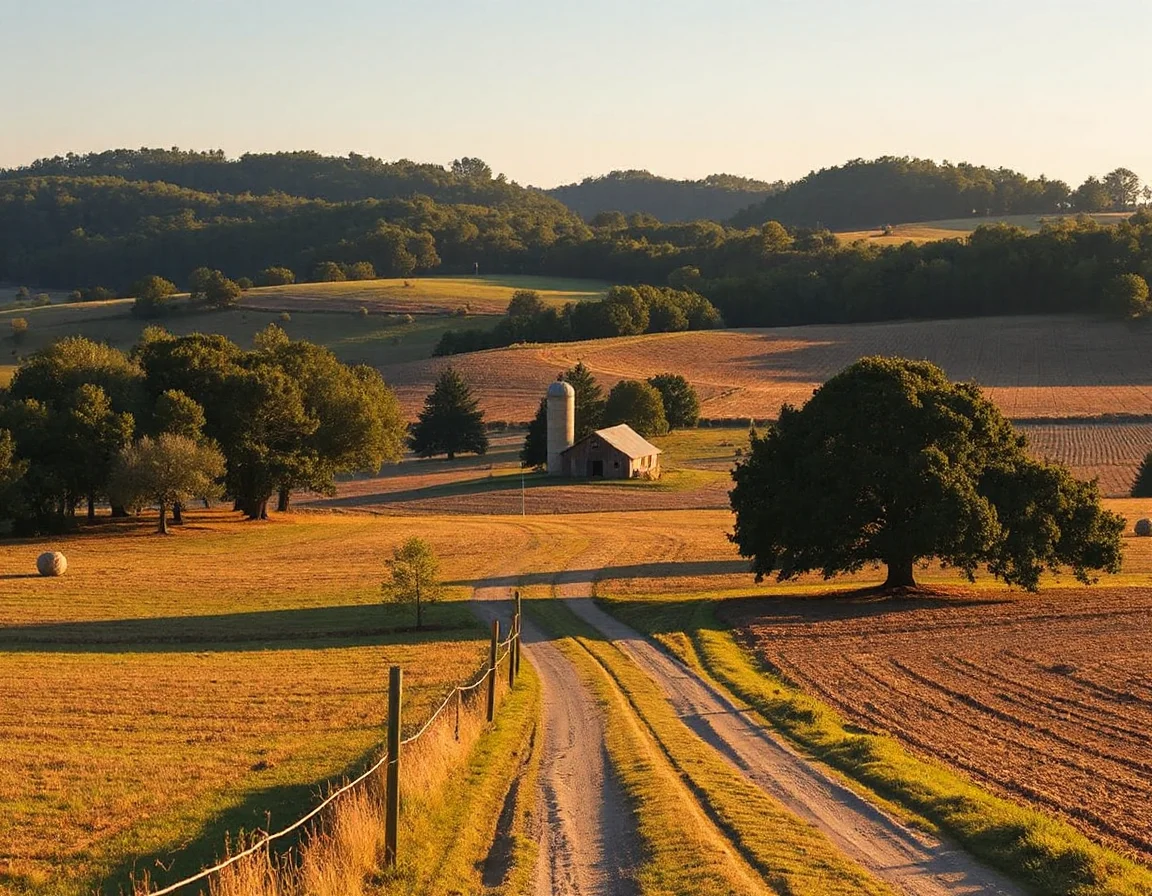
Across the Upstate, conditions can change quickly between Greenville, Greer, Mauldin, Piedmont, Pelzer, and nearby rural areas. One property may be close to public water and paved roads, while another only a few miles away may require a well, septic system, driveway construction, and a longer utility extension. That difference can materially affect both the initial budget and the timeline for building.
Make a short list of non-negotiables before touring parcels. Consider the preferred homesite location, the amount of road frontage needed, terrain, privacy preferences, utility expectations, travel routes, and whether the land needs space for outbuildings or other permitted uses. Bringing those priorities into the search helps separate a beautiful view from a parcel that supports your actual plans.
A lower purchase price does not always mean a lower total cost. Site work, utility connections, drainage improvements, and access can add substantially to the investment after closing.
It is also wise to think beyond the first year of ownership. If a property will be held before construction, ask about maintaining the driveway, managing vegetation, paying property taxes, and securing liability coverage. A plan for ongoing stewardship can make the ownership experience more predictable.
Confirm Zoning, Restrictions, and Permitted Uses
Before writing an offer, verify the parcel’s current zoning with the appropriate county or municipal planning department. Zoning can influence the type and number of structures allowed, minimum lot size, setbacks, permitted accessory buildings, signage, agricultural activity, and subdivision potential. Do not rely solely on a listing description or neighboring properties; regulations can vary by parcel and can change over time.
Deed restrictions, recorded easements, homeowners’ association documents, and covenants deserve equal attention. These private restrictions may address building materials, home size, parking, exterior storage, fencing, outbuildings, or other land uses. Request the recorded documents early, then review them with an attorney or other qualified professional if the language is unclear.
For buyers considering future division of a larger tract, ask the local planning office about subdivision rules, road-frontage requirements, survey standards, and utility expectations. A parcel that appears large enough to divide may still face regulatory or infrastructure constraints. Similarly, land near municipal growth areas may have different planning considerations than a remote rural tract.
A useful habit is to document every answer. Keep notes from planning conversations, copies of zoning maps, recorded restrictions, and links to official resources. Written records provide a clearer reference point while you compare sites and complete due diligence.
Talk through your land-buying plans
Study Access, Boundaries, and the Ground Itself
A parcel needs legal and practical access. Public road frontage is generally straightforward, but properties served by a shared drive or private road require closer review. Confirm whether there is a recorded access easement, who is responsible for maintenance, whether the route is usable in different weather conditions, and whether a future driveway entrance will need approval from a road authority.

Surveying is another essential step. Existing fence lines, tree rows, and old markers may not match legal boundaries. A current survey can identify encroachments, easements, road rights-of-way, and the precise location of corners and acreage. If the intended homesite sits near a property line or if the parcel has unusual shape, a survey can be especially valuable before design work begins.
Topography affects much more than scenery. Sloped sites may need additional grading, retaining solutions, engineered drainage, or a carefully located building pad. Low areas can hold water after rain, while wooded acreage may require clearing and erosion-control measures. Visit at different times if possible, including after a rainfall, to observe drainage patterns and the condition of roads or entrances.
Flood-zone information should be reviewed through available maps and confirmed with appropriate professionals when needed. A creek, pond, or low-lying meadow can be an attractive feature, but it may also affect where structures can be placed, how insurance is handled, or what permits are required. Environmental features, wetlands, protected buffers, and soil conditions can all shape the buildable portion of a parcel.
Utilities and Septic Are Budget Questions, Not Afterthoughts
Utilities often determine whether a land purchase fits the budget. Ask which services are available at the road and which are already on the property. Public water, sewer, electric service, natural gas, internet options, and waste collection can vary widely across the Upstate. If service is nearby but not connected, obtain estimates for taps, extensions, trenching, meters, and installation rather than assuming access will be inexpensive.
Where public sewer is not available, septic feasibility becomes a central issue. A soil evaluation and septic permit process can help identify whether the property can support the intended home size and location. The usable area for a septic system may be affected by slopes, drainage, soil type, wells, creeks, and required setbacks. Talk with the relevant health or environmental authority and a qualified local installer before removing contingencies.
Private wells should be evaluated with the same care. Consider the likely well location, drilling costs, water testing, and the distance between the well, septic area, and planned home. Internet access is also worth confirming directly with providers, particularly for buyers who rely on dependable connectivity for work, entertainment, or home systems.
Buildability is a combination of soil, setbacks, access, utilities, and local rules. Confirming only one of those items can leave an expensive gap in the plan.
Ask for realistic site-preparation estimates from local contractors once the parcel is under consideration. Clearing, grading, driveway installation, culverts, power runs, and erosion control may be phased over time, but they should be accounted for in the overall budget from the beginning.
Use a Strong Due-Diligence Period
A well-written contract gives buyers time to investigate the details that matter. Depending on the property and transaction, due diligence may include a survey review, title review, zoning verification, soil testing, septic evaluation, utility research, flood-zone review, contractor estimates, and an inspection of existing structures or wells. The exact approach should reflect the parcel and the buyer’s intended use.
Title work is especially important for acreage. Review recorded easements, rights-of-way, mineral rights language, restrictive covenants, and any unusual exceptions listed in the title commitment. An experienced real estate attorney can explain how those documents may affect ownership and future plans.
Financing can differ from a traditional home purchase as well. Some land loans require larger down payments, shorter terms, or more documentation than mortgages for an existing residence. Buyers planning to build may want to compare land-loan, construction-loan, and cash-purchase options early so the offer structure aligns with the chosen financing path.
Above all, allow enough time for professionals to do their work. Rushing through due diligence can make it difficult to get meaningful answers from planning offices, utility providers, surveyors, soil specialists, and contractors.
Turn the Parcel Into a Confident Decision
The right piece of land should support both the vision and the practical requirements behind it. In Upstate South Carolina, that means looking carefully at the map, the soil, the road, the regulations, and the total cost of preparing the site—not simply the asking price or the view from the gate.
With clear goals and thorough research, buyers can compare parcels on an even footing and move forward with fewer surprises. Whether the search centers on a wooded homesite, open acreage, or a lot close to growing Upstate communities, a thoughtful process creates a stronger foundation for everything that comes next.