

Greer’s growth is not one story—it is a collection of changing corridors, new construction opportunities, established neighborhoods, and evolving buyer expectations. Whether you are preparing an offer or planning a sale, watching where infrastructure, inventory, and everyday amenities intersect can make your next decision more informed.
Reading the Shape of Growth in Greer
Greer has become a closely watched part of the Upstate real estate conversation because it connects a historic core with expanding residential areas, major employment corridors, and convenient access to both Greenville and Spartanburg. That mix can create very different market conditions from one pocket to the next. A home near established streets and community gathering spaces may attract attention for different reasons than a newer property closer to the area’s developing edges.

For buyers, the useful question is not simply whether Greer is growing. It is which kind of growth matters to your daily routine and long-term plans. Some locations offer a shorter route to employment centers or regional roadways. Others may provide larger lots, newer floor plans, or proximity to parks, trails, and local gathering places. Comparing these details helps turn a broad search into a practical shortlist.
Sellers can use the same lens when positioning a property. Buyers tend to notice how a home fits into its immediate setting: driveway access, outdoor space, nearby routes, the condition of surrounding homes, and the balance between established character and newer development. A listing description and pricing strategy should make those objective advantages easy to understand without overpromising what the market will do next.
In a changing market, two homes with similar square footage can perform very differently when one offers a more convenient route to major corridors, a newer layout, or a more established setting.
Growth can also bring more choices, which means buyers may have less reason to compromise quickly on layout, condition, or location. At the same time, well-prepared homes can stand out when they present a clear value proposition. The strongest decisions usually come from comparing current options rather than relying on last season’s listing headlines.
New Construction, Resale Homes, and the Details Between Them
One of the most visible parts of Greer’s growth map is the mix of newly built homes and established resale properties. New construction can offer current design trends, modern systems, and a choice of available finishes depending on the stage of construction. Resale homes may offer mature landscaping, completed outdoor areas, and a clearer picture of how the surrounding streetscape has developed over time. Neither category is automatically better; the right comparison depends on budget, timing, maintenance preferences, and the features that matter most to the buyer.
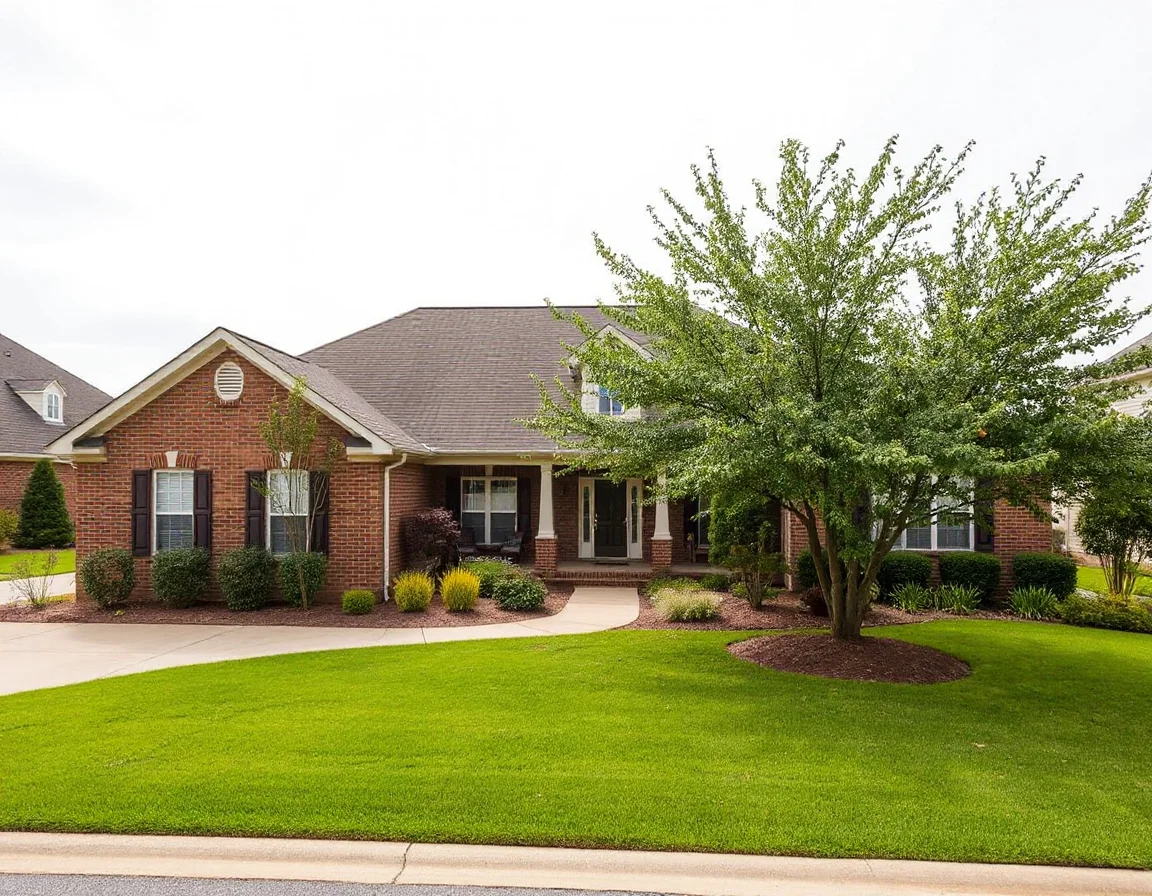
Buyers evaluating a newly built home should look beyond the model-home impression. Ask about lot orientation, included features, homeowner association documents where applicable, anticipated construction nearby, utility arrangements, and the timeline for completion. It is also wise to compare the total cost of a new home with nearby resale options after accounting for upgrades, closing costs, and any immediate purchases needed after move-in.
For resale sellers, competition from new construction does not mean an existing home has lost its appeal. A finished backyard, window treatments, established landscaping, storage improvements, or a practical floor plan can be meaningful differentiators. Before listing, consider a focused walkthrough: repair visible wear, brighten key rooms, simplify crowded surfaces, and make the exterior easy to photograph. These steps help prospective buyers evaluate the home rather than becoming distracted by deferred maintenance.
Pricing deserves close attention in both segments. New construction pricing can shift with release schedules, incentives, and available inventory, while resale pricing responds to recent closed sales, active competition, and property condition. A thoughtful comparative analysis should account for differences rather than treating every home in a ZIP code as interchangeable.
Transportation, Amenities, and Everyday Convenience
A growth map is also a map of how people move through the area. Greer’s connections to regional routes, employment hubs, Greenville-Spartanburg International Airport, and neighboring Upstate communities can influence search patterns. Buyers often benefit from driving prospective routes at the times they expect to use them, rather than relying only on a map. Morning and evening traffic, turning access, roadwork, and the availability of alternate routes can all change the feel of a location.
Local amenities are another part of the equation. Greer offers community events, green spaces, recreation options, and a walkable historic district that contribute to the area’s daily rhythm. These features are best viewed as lifestyle details to explore personally: spend time in the public spaces, visit at different hours, and note what is convenient for your own errands, recreation, and schedule.
For sellers, nearby amenities can be described clearly and factually. Mentioning proximity to a public park, trail access, regional transportation, or a community gathering area gives buyers useful information. The most effective marketing remains specific: approximate travel routes, visible features, and real property improvements are more helpful than broad claims about a neighborhood’s appeal.
What to Watch Before Making a Move
Buyers entering Greer should keep an eye on active inventory, days on market, price adjustments, and the gap between asking prices and recently closed sales. These signals can reveal whether a particular price range is moving quickly or giving buyers more time to compare. It is also important to review disclosures, inspect carefully, and understand any community rules or ongoing costs associated with a property before finalizing an offer.
Sellers should watch those same signals with a different purpose. If comparable homes are sitting longer, presentation and pricing may need extra precision from day one. If similar homes are receiving strong activity, that does not eliminate the need for preparation; it makes the first impression even more important. Professional photography, accurate property details, and a clean, accessible showing experience can help a listing meet the expectations created by competing inventory.
The practical advantage is preparation. Buyers who know their priorities can compare opportunities without chasing every new listing, while sellers who understand their competition can present their home with confidence. Greer’s continued evolution makes local context valuable, but a clear plan is what turns that context into a useful real estate decision.
Whether your next step is browsing homes, preparing to sell, or simply learning how different parts of Greer are changing, focus on the factors you can verify: condition, location, access, costs, and current market evidence. Those details provide a stronger foundation than speculation—and they help keep your move aligned with what matters most to you.